
PEDRIF
Pediatric Disability & Rehabilitation Fellowship
Reframing Pediatric Practice Through Developmental Insight and Rehabilitation Science
A one-year hybrid fellowship for practicing pediatricians seeking deep clinical competence in developmental pediatrics, disability care, and rehabilitation systems.
Developed under the academic mentorship of Dr. S. Subramanian, Developmental Pediatrician with over two decades of experience in clinical care, training, and systems development in child development services.
- Start Date: 15 April 2026
- Fees: ₹1,20,000 + GST (Indian Fellows)
- Eligibility: MD Pediatrics /DCH with active pediatric practice
Selection Process
- Statement of Purpose
- Faculty Interview
Fellowship Highlights
Structured Modular Learning
Structured thematic modules delivered across the fellowship year.
AI-Enabled Curriculum
Self-paced digital learning supported by intelligent academic tools.
Monthly Academic Discussions
Interactive monthly faculty-led academic case discussions.
Guided Case Analysis
Structured case formulation and developmental reasoning training.
Clinical Exposure
Supervised clinical immersion and developmental evaluations.
Professional Systems Track (PST)
Longitudinal systems-based training in developmental service design.
The PEDRIF Philosophy
From Diagnosis to Developmental Understanding
Children with developmental and rehabilitation needs require physicians who can navigate complexity – biological, behavioral, familial, educational, and social.
PEDRIF equips pediatricians to move beyond the narrow medical model and integrate clinical reasoning, developmental science, and system-level thinking.
Fellows are trained to:
- Understand development across systems
- Interpret disability within context
- Design practical rehabilitation pathways
- Lead coordinated care for children and families
Approach:
- Biopsychosocial model of disability
- Functional and participatory thinking
- Interdisciplinary systems perspective
- Evidence-informed clinical practice
Program Faculty

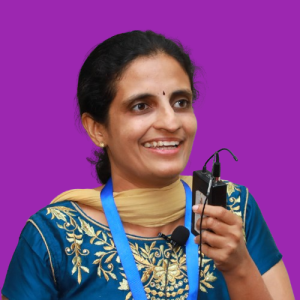


Expert Advisory Committee



Fellowship Curriculum
A Structured Journey Through Developmental and Rehabilitation Pediatrics
The PEDRIF curriculum is organized into thematic modules delivered across the year. Each module integrates clinical science, applied reasoning, and real-world developmental practice.
Understanding the architecture of child development.
Recognizing patterns beyond labels.
From observation to structured developmental reasoning.
Clinical clarity in complex presentations.
Interpreting behaviour through developmental lenses.
Bridging pediatric practice and education systems.
Functional thinking in child development care.
Understanding the ecology of the child.
Working effectively with therapy systems.
Professional standards in developmental care.
THE PROFESSIONAL SYSTEMS TRACK (PST)
The Longitudinal Spine of the Fellowship
PEDRIF includes a unique Professional Systems Track (PST) that runs across the entire fellowship year. This track trains fellows to move beyond individual patient care to understand and improve systems of developmental service delivery. Participants learn to analyse, critique, and redesign clinical workflows within developmental practice.
The PST transforms clinical insight into practical systems leadership – a signature differentiator of the PEDRIF fellowship.
PST Competency Areas
Integrating biological, psychological and contextual domains.
Building defensible and structured clinical records.
Understanding how children move through healthcare and rehabilitation systems.
Identifying structural weaknesses in service delivery.
Understanding how system failures affect children and families.
Using research principles to improve practice models.
Developing practical improvement strategies.
Communicating structured systems insights.
PST Capstone: Each fellow develops a systems improvement blueprint based on real developmental care challenges encountered during practice.
Culmination: Formal capstone presentation and faculty evaluation.
Certification: Contingent upon successful completion of the PST project.
Final Clinical Integration Week
The fellowship culminates in an intensive 6-day academic and clinical immersion.
This phase synthesizes learning across all modules and represents the culmination of a year of rigorous developmental training
Structured evaluation of developmental reasoning.
Presentation of complex longitudinal developmental cases
Systems improvement blueprint defence.
Collaborative reflection on developmental service systems.
Independent developmental evaluations under faculty supervision.
Oral viva, portfolio review, and final feedback.
Completion confirms readiness for advanced developmental pediatric practice.
INTERNATIONAL PATHWAY
PEDRIF welcomes international pediatricians seeking structured exposure to developmental pediatrics and rehabilitation frameworks. The international pathway provides adapted, contextually relevant access to fellowship training.
Pathway Includes:
- Global Case Discussions
- Hybrid participation options
- Systems-Based Developmental Training
- Adapted curriculum for regional practice context
Access Points:
- Academic Modules
- PST Systems Training
- Virtual Case Conferences
- Optional clinical immersion blocks
Applications
- Statement of Purpose
- Faculty Discussion / Interview
Get In Touch
Have questions about PEDRIF or interested in joining the fellowship?
Reach out to us – we would be happy to guide you through the program
NICE Academy
- New #30/3, Old #61/3, 3rd Main Road, Kasturba Nagar, Adyar, Chennai 600020
- +91 7538842737
- programs@nicechennai.org